Reclaimed Elegance for Conscious Interiors


Today we explore reclaimed and salvaged materials for interiors—stylish, sustainable sourcing that saves resources, reduces embodied carbon, and infuses rooms with authentic history. You’ll learn where to find pieces, how to prepare them, and ways to design beautifully. Share your questions, subscribe for future guides, and join our conversation.

The Case for Giving Materials a Second Life

Salvage Yards and Architectural Reuse Centers

Walk the aisles with gloves, a tape measure, and an open mind. Tag items promptly, because turnover can be lightning fast. Ask about backstock, restoration services, and delivery partners. Photograph marks, labels, and joinery so your designer, contractor, or future self can evaluate compatibility later without guesswork.

Deconstruction, Demolition, and Donation Networks

Teams trained in careful dismantling recover longer lengths of timber, intact stone slabs, and better hardware sets than typical demolition. Introduce your project early, share specs, and request material pulls aligned with needs. Donations may earn tax benefits, while you secure consistent quality and quantities from one source.

Digital Marketplaces with Real-World Verification

Listings move quickly online, but credibility matters. Ask for provenance details, request close-ups, and verify quantities, thicknesses, and species or alloys. Favor sellers who provide moisture readings for wood and disclose finishes. Use escrow or protected payments, and arrange third‑party pickup inspections when distances complicate verification.

Where to Find the Good Stuff

Great finds appear where materials leave buildings with care. Explore salvage yards, architectural reuse centers, and nonprofit deconstruction warehouses; attend demolition auctions; and set alerts on marketplaces. Build relationships with staff, learn inventory rhythms, and check dimensions twice. Simple sketches and reference photos speed decisions before treasures vanish.

Composing With Character

Character deserves composition. Pair richly grained boards with clean profiles to avoid visual heaviness, and reserve intricate pieces as focal moments. Mix eras intentionally, repeating tones across textiles and metals. Plenty of daylight, thoughtful sightlines, and a restrained palette let reclaimed elements breathe while remaining undeniably sophisticated.

Timber That Warms Modern Lines

Use planed, structurally sound joists as countertops or shelves, edging them with minimal chamfers. Balance their warmth with matte fixtures, linen textures, and forgiving mineral paints. If boards vary in color, stagger tones rhythmically, echoing them in artwork frames and cabinet pulls to orchestrate calm continuity.

Metals That Ground Industrial Calm

Old steel finds new gentleness beside limewash walls, cork underfoot, and dimmable, warm LEDs. If surfaces carry oil residues, seal appropriately before installation. Keep silhouettes lean, repeat blackened accents sparingly, and counterbalance with wool, clay, and plants so the palette reads grounded rather than austere.

Stone, Brick, and Glass for Light and Balance

Reclaimed stone thresholds, brick slips, or etched glass partitions add depth without clutter. Prioritize safety edges and appropriate supports. Let textured planes catch angled light, revealing quiet movement throughout the day. Complement with soft rugs and acoustic panels to temper lively surfaces and sustain restorative calm.

From Rough Find to Ready Finish

{{SECTION_SUBTITLE}}
Safety and Testing Without Compromise
Use certified test kits or licensed inspectors to identify hazards confidently. Containment, HEPA filtration, and proper disposal safeguard homes and crews. Wear appropriate PPE even during simple sanding. Label and store samples, record findings, and communicate them to contractors so specifications, schedules, and insurance all align safely.

Wood Revival: Denailing, Milling, Stabilizing

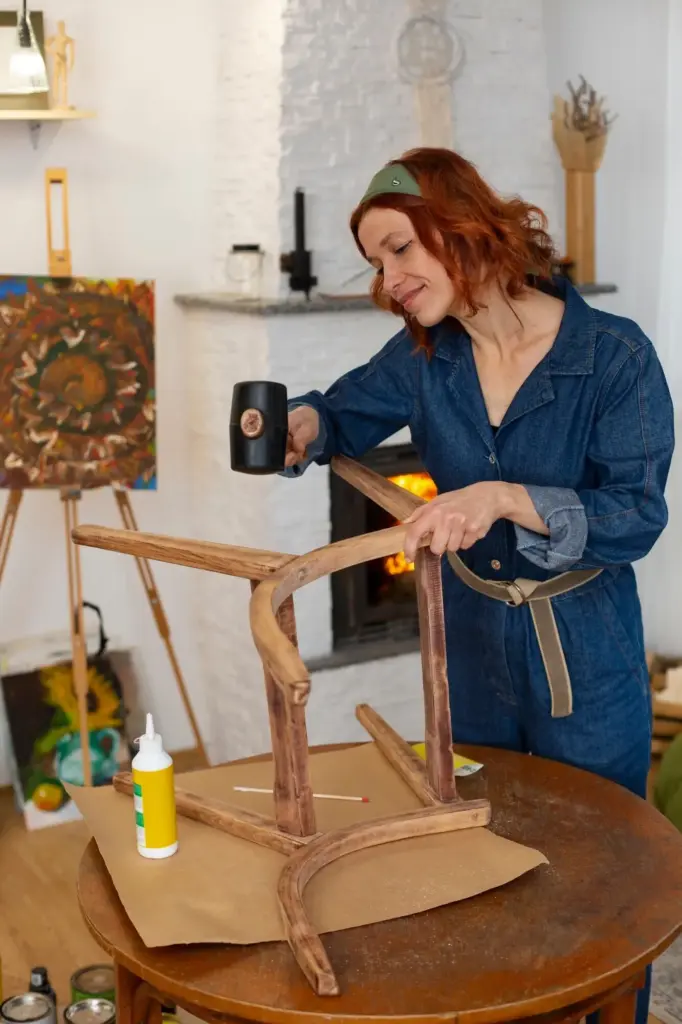
Remove nails with care to prevent splits, then plane lightly to reveal grain without erasing character. Straighten boards by ripping and rejoining where needed. Stabilize checks with bowties or resin only when necessary, keeping interventions honest, minimal, and documented for future repairs or reinterpretations.

Money, Time, and the Art of the Possible

Budget the Way Builders Actually Build

Track real unit costs rather than assumptions. Measure yield after milling, factor waste, and include hardware, fasteners, finishes, and transport. Compare multiple scenarios: buy ready‑to‑install, do partial prep, or complete restoration. The best option balances budget, schedule, and the story you want the room to tell.

Manage Lead Times and Storage Realities

Popular items vanish quickly, and bespoke pieces require patient craftsmanship. Reserve storage space sized for doors, beams, or stone, protecting them from moisture swings. Build flexible timelines with decision gates tied to confirmed finds. Communicate dependencies openly so designers and trades can sequence work without idle downtime.

Contracts, Liability, and Quality Assurance

Spell out scope for cleaning, testing, and any remediation. Assign responsibility for damage during transport or storage, and list acceptable variations in color, size, and patina. Request photo documentation, simple maintenance guides, and limited warranties where feasible, honoring craftsmanship while recognizing the unique nature of each piece.

Inspiration From Real Homes

Examples bring ideas alive. These three projects show practical decisions, not perfection: compromises, clever fixes, and meaningful wins. Notice how each home balances patina with clarity, choosing restraint where it matters and joy where it counts. Share your experience in the comments and inspire fellow renovators.
Vonaranexiko
Privacy Overview

This website uses cookies so that we can provide you with the best user experience possible. Cookie information is stored in your browser and performs functions such as recognising you when you return to our website and helping our team to understand which sections of the website you find most interesting and useful.