Build Closer to Home, Leave a Lighter Mark

Today we dive into local and regional material sourcing to shrink renovation footprints, exploring how buying closer reduces transport emissions, strengthens communities, and reveals characterful options. You’ll find practical tactics, measurable frameworks, and inspiring stories that prove proximity can deliver lower embodied carbon, resilient timelines, and beautiful results. Subscribe, comment, and share your own discoveries as we map a kinder path from quarry, mill, or maker to your site.

Why Nearby Materials Matter

The Hidden Miles Behind a Tile

A single ceramic tile may cross oceans, ride trucks to distribution centers, and pass through energy-intensive kilns before reaching your project. Contrast that with clay tile formed by a regional maker using local clay and renewable firing. Suddenly, embodied carbon shrinks, lead times become predictable, and conversation shifts from faceless logistics to real people and places. The wall looks just as beautiful, but the story behind it is cleaner, kinder, and testable in numbers.

Resilience Through Shorter Supply Chains

When materials travel fewer miles, there are fewer bottlenecks, fewer chances for damage, and far fewer surprises when storms, strikes, or global shocks hit. Regional networks allow rapid communication and adjustment, enabling substitutions or design tweaks before delays cascade into budget blowouts. Clients feel calmer, crews stay productive, and the project keeps momentum. Resilience is not luck; it is a consequence of proximity, transparent relationships, and accountable makers who can literally meet you onsite.

Community Wealth, Circular Benefits

Directing procurement toward nearby mills, quarries, and salvage yards recirculates money within your community, supporting apprenticeships, decent jobs, and durable skills. Those benefits compound: local tax bases strengthen, reuse infrastructure expands, and material flows become more circular. Instead of exporting value and importing waste, projects begin nourishing the places where they stand. Every invoice tells a story about what you value, and choosing neighbors nurtures cultural continuity alongside measurable environmental gains.

Finding and Vetting Local Suppliers

Start with regional directories, maker cooperatives, and industry associations, but verify every claim. Ask for chain-of-custody documentation, look for Environmental Product Declarations, and request references from builders who used these products in similar climates. Visit yards, observe moisture control, and assess safety practices. Great local sources exist for stone, timber, lime plasters, reclaimed brick, fiber insulation, and more. A thoughtful vetting process transforms proximity from a feel-good idea into dependable performance you can trust.

01

Sources and Directories That Actually Help

Local chambers of commerce, sustainable building councils, and regional forestry associations can point you toward mills with responsible practices and predictable kiln schedules. Salvage warehouses often maintain online inventories, while mapping tools highlight quarry locations and small-batch brickworks. Seek third-party labels like FSC or Declare when available, but remember that personal site visits and builder references frequently reveal more than any logo. Build a living list and update it after each project, sharing successes generously.

02

Questions to Ask Before You Place an Order

Probe beyond price and availability. Ask about moisture content targets, species identification, quarry extraction methods, and packaging that reduces damage without excessive plastic. Clarify lead times during peak seasons, minimum order quantities, and options for partial shipments. Inquire how offcuts or overruns are handled to minimize waste. Request performance data for your climate zone, confirm warranty support, and ensure communication channels are direct. Good partners answer clearly, welcome inspections, and offer realistic, testable commitments.

03

Visiting the Yard or Workshop

A quick tour can reveal what paperwork cannot. Are stacks stickered and ventilated? Is dust managed, and are workers trained? Do tools and kilns look maintained, with clear procedures posted? Can you see labeled batches that map to invoices? Observe how products are handled for shipping and how rejects are tracked. Ask to touch samples, watch processing steps, and meet the person who will pack your order. Real transparency builds confidence and reduces mistakes later.

A Simple Transport Emissions Check

Start with distance, vehicle type, and load efficiency. Compare a regional truck haul to a transoceanic shipment plus inland trucking, and calculate total ton-kilometers. Add realistic packaging weights and note how damage rates affect replacement trips. Even rough numbers reveal orders-of-magnitude differences. Present a concise chart showing baseline versus local option, and highlight sensitivities like backhauls or mode switching. When people see the math, the nearby choice stops being sentimental and becomes obvious.

Reading an EPD Without a Headache

Focus on the declared unit, system boundary, and modules that matter most for renovations. Check whether transport to site is included, and compare functional equivalence between products. Note data vintage and regional representativeness. When values seem surprisingly low, scan assumptions for renewable energy credits or atypical feedstocks. Summarize key numbers in plain language, then pair them with your transport analysis. Together, these pieces create a credible picture that decision makers can defend.

Documenting Savings Clients Understand

Translate carbon numbers into stories: fewer trucks idling on neighborhood streets, less risk from shipping delays, and more money paid to local workers. Create a one-page brief per material with photos of the source and a short impact summary. Include maintenance implications and a waste plan. Invite the client to sign off with pride, and provide their communications team with ready visuals. Tangible documentation turns sustainability into something celebratory, not abstract or burdensome.

Design Strategies That Embrace Regionality
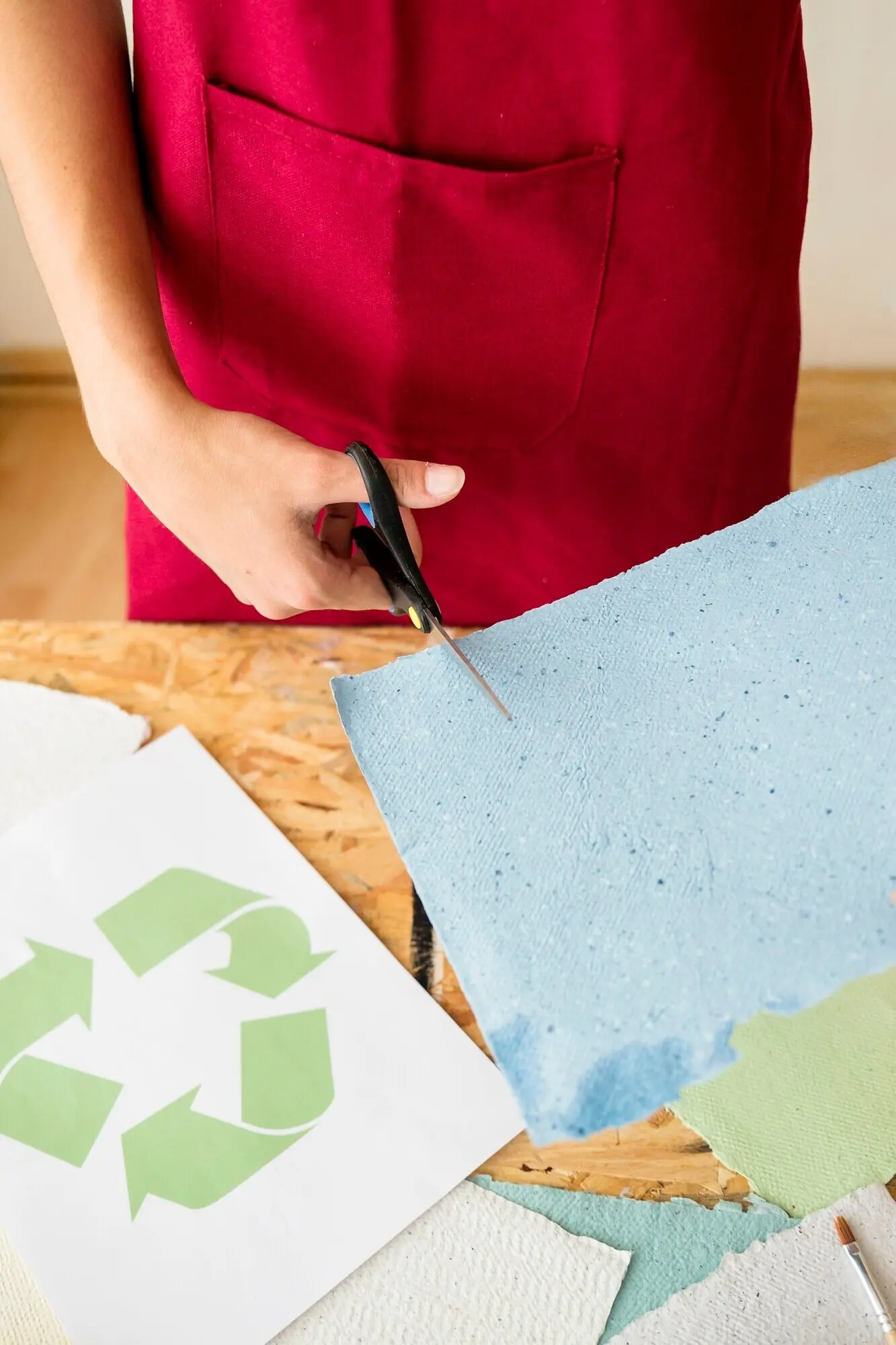
Design gently with what your region offers. Let standard lumber lengths, locally quarried stone sizes, and common brick dimensions guide module choices that minimize cuts and offcuts. Favor finishes that match local skills so maintenance is simple and affordable. Specify assemblies that accept small variations in handmade goods, celebrating subtle irregularities instead of fighting them. When you prioritize compatibility with nearby materials, beauty emerges from harmony, costs calm down, and timelines become friendlier.
Before sketching, check dimensional availabilities at local yards. If eight-foot boards dominate, structure spans and panel breaks accordingly. When quarry saws cut certain slab widths efficiently, let those measurements anchor countertops and thresholds. Treat manufacturer limits as creative prompts, not constraints. Modular thinking reduces waste, keeps costs predictable, and respects the maker’s process. You’ll spend less time wrestling details and more time expressing place through proportion, texture, and light.
Every region holds distinctive materials and finishes: shell-lime plasters, river stone, chestnut, basalt, or recycled brick with flecks of historic glaze. Rather than hiding these signatures under uniform coatings, bring them forward with honest detailing and soft lighting. Clients feel an emotional bond when surfaces carry recognizable geology or forestry stories. Maintenance becomes easier because finishes age into their context instead of fighting it. Authenticity reads instantly, even to untrained eyes.
Sometimes the local option cannot meet a specific code requirement or schedule. Combine regional structure or finishes with responsibly sourced components from farther away that fill performance gaps. Be explicit about why each element travels and how you’re minimizing its impact. Mixing strategies lets you keep most of the benefits while honoring reality. Over time, your demand helps nearby makers evolve capabilities, tightening the circle without compromising safety or function.

Case Stories from Real Projects

Stories convert intentions into confidence. We’ve seen homeowners, builders, and architects choose nearby materials and walk away with durable, soulful spaces and cleaner numbers. The following snapshots reveal how regional oak, close-by masonry, and reclaimed fixtures cut emissions, controlled budgets, and delighted neighbors. Each project required patience and honest communication, but none demanded heroics. With curiosity and a reliable supplier network, you can repeat these outcomes and enrich your community at the same time.

A Bungalow Reinvented with County-Milled Oak

An aging bungalow gained new floors and stair treads using oak milled twenty miles away and kiln-dried with biomass heat. The builder redesigned tread widths to match standard plank sizes, nearly eliminating waste. Transport emissions dropped dramatically, but the surprise win was acoustic comfort from dense, locally seasoned stock. The owner now hosts open houses for neighbors, turning one renovation into an ongoing conversation about land stewardship and practical, beautiful sourcing.

Masonry with a Fifteen-Mile Radius

A small studio addition used stone from a family quarry and lime mortar blended by a nearby restoration shop. Delivery came on reusable pallets, and offcuts returned for aggregate. The crew visited the quarry to select beds with compatible weathering, preventing future patchwork repairs. The wall’s cool touch on summer afternoons became the homeowner’s favorite feature, while the carbon math validated the intuition: fewer miles, fewer headaches, stronger connection to place.

A Salvage-First Kitchen That Sparked a Movement

Cabinets refaced with reclaimed heart pine, a sink rescued from a school, and lighting from a local refurbisher transformed a dated kitchen. The design aligned cabinet modules with available panel sizes, avoiding fussy cuts. Photos of the sources, complete with donor addresses, now hang inside a pantry door. Visitors ask for contact lists, and a neighborhood swap group formed. What started as one family’s budget fix expanded into a lively local reuse network.

Budget, Timelines, and Risk Management

Buying nearby is not a charity exercise; it is a strategy. Factor total cost of ownership, including transport, damage, returns, and maintenance. Build schedules that respect seasonal production cycles at small mills or brickworks. Use sample approvals early to surface variation tolerance. Insure shipments appropriately but avoid over-packaging. With clear specs, buffers for artisanal lead times, and backup options, regional procurement becomes predictable. The result is steadier cash flow and fewer last-minute substitutions.

Costing Beyond the Sticker Price

Line up the numbers across the whole lifecycle. A cheaper distant product may carry hidden expenses in freight surcharges, fragile packaging, and higher waste. Local goods might appear pricier but require fewer replacements and less labor-intensive adjustments. Capture supervision time, rescheduling penalties, and warranty responsiveness in your comparison. Transparency reveals how proximity lowers risk, keeps crews moving, and preserves contingency for genuine surprises instead of preventable logistics drama.

Schedules That Respect Craft

Regional producers often plan around harvests, curing periods, and weather. Ask early about busy seasons and reserve production slots. Share drawings that show tolerance ranges so makers can optimize yields. Introduce phased deliveries to smooth cash flow and storage constraints. When schedules acknowledge how real materials are born and prepared, quality jumps and stress drops. You are not slowing down; you are aligning processes so installation days become calm, precise, and satisfying.

Quality Assurance Without Red Tape

Set clear acceptance criteria: moisture content windows, compressive strength targets, sample approvals, and labeled batches. Use simple checklists at receiving, photographing pallets and noting defects before sign-off. Keep communications direct and friendly, escalating only when necessary. A culture of mutual respect achieves more than layers of forms. When issues occur, local partners can often correct them within days, not weeks, preserving trust and ensuring your project’s finish line stays within reach.

Get Involved and Share Your Wins

Your stories help the movement grow. Comment with your favorite nearby suppliers, subscribe for new case studies, and ask questions about methods that worked or flopped. Invite clients and neighbors into conversations about place-based materials, and celebrate craftspeople by name. Share photos of yard visits, mockups, and installed finishes so others can learn. Collective knowledge turns an idea into a norm, shrinking renovation footprints one confident, well-documented decision at a time.
Vonaranexiko
Privacy Overview

This website uses cookies so that we can provide you with the best user experience possible. Cookie information is stored in your browser and performs functions such as recognising you when you return to our website and helping our team to understand which sections of the website you find most interesting and useful.